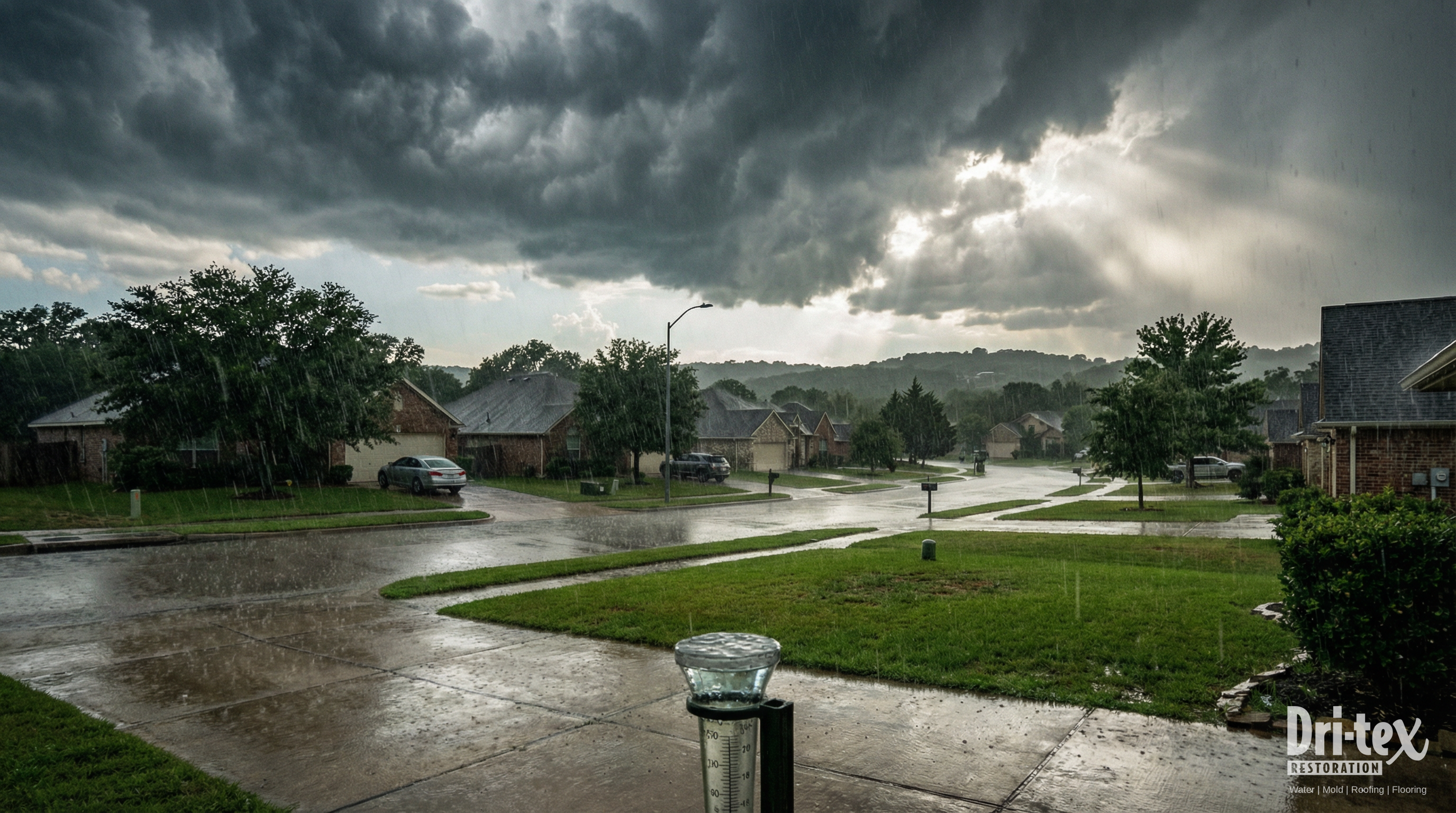
Understanding the extent of a storm surge's reach and its potential to penetrate far inland is crucial for preparedness and effective damage mitigation. This blog will unpack the concept and introduce you to unexpected facts you might not know about storm surges, offering insights into their potential impact on communities far from the coast.
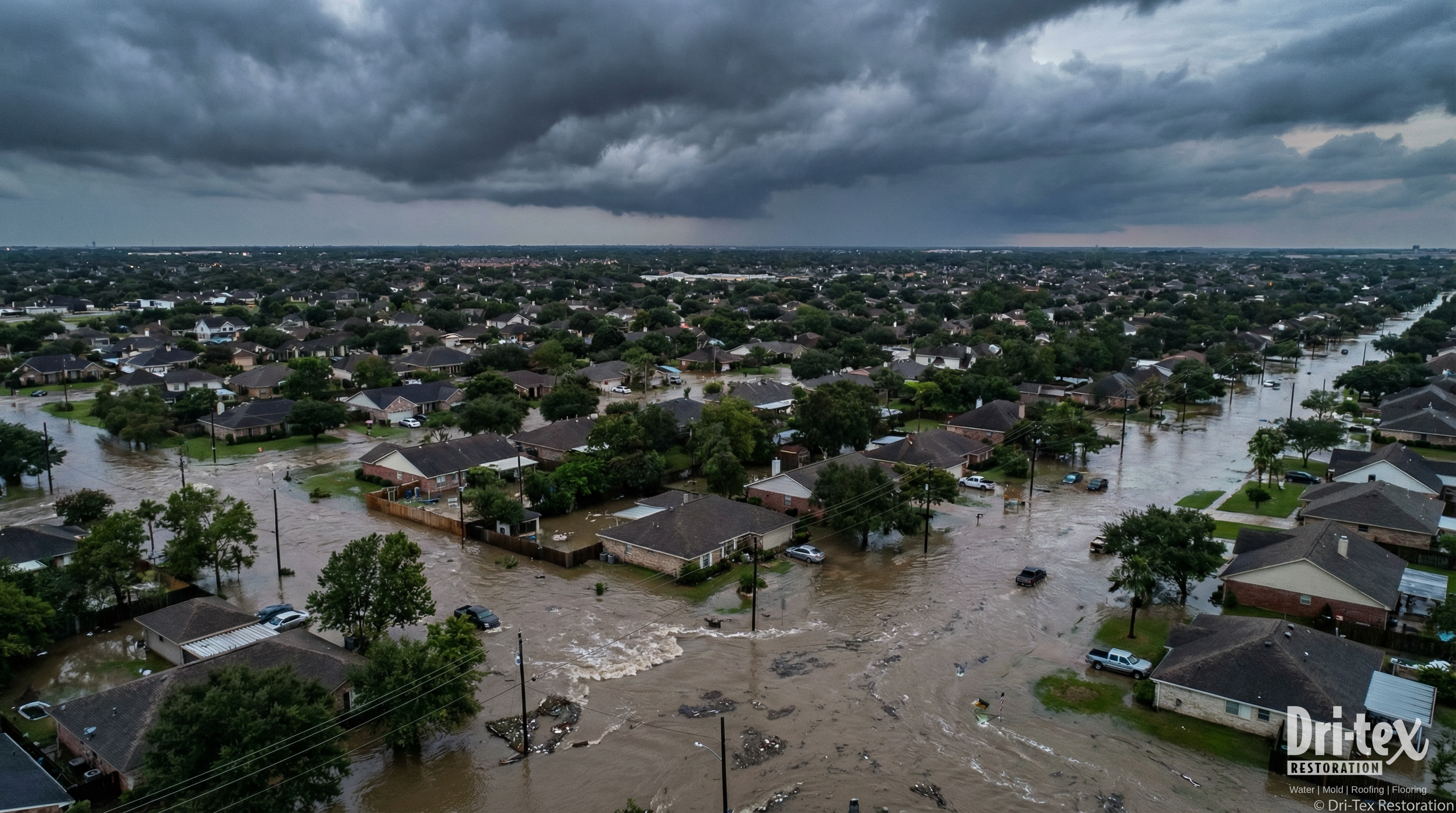
Storm surges are often associated with coastal areas, but their reach can extend much further inland than most people realize. Factors such as the storm's intensity, the shape of the coastline, and the local topography all play a role in determining how far inland a storm surge can travel. In some cases, storm surges have been documented reaching 20 to 30 miles inland, causing catastrophic flooding in areas that residents assumed were safe.
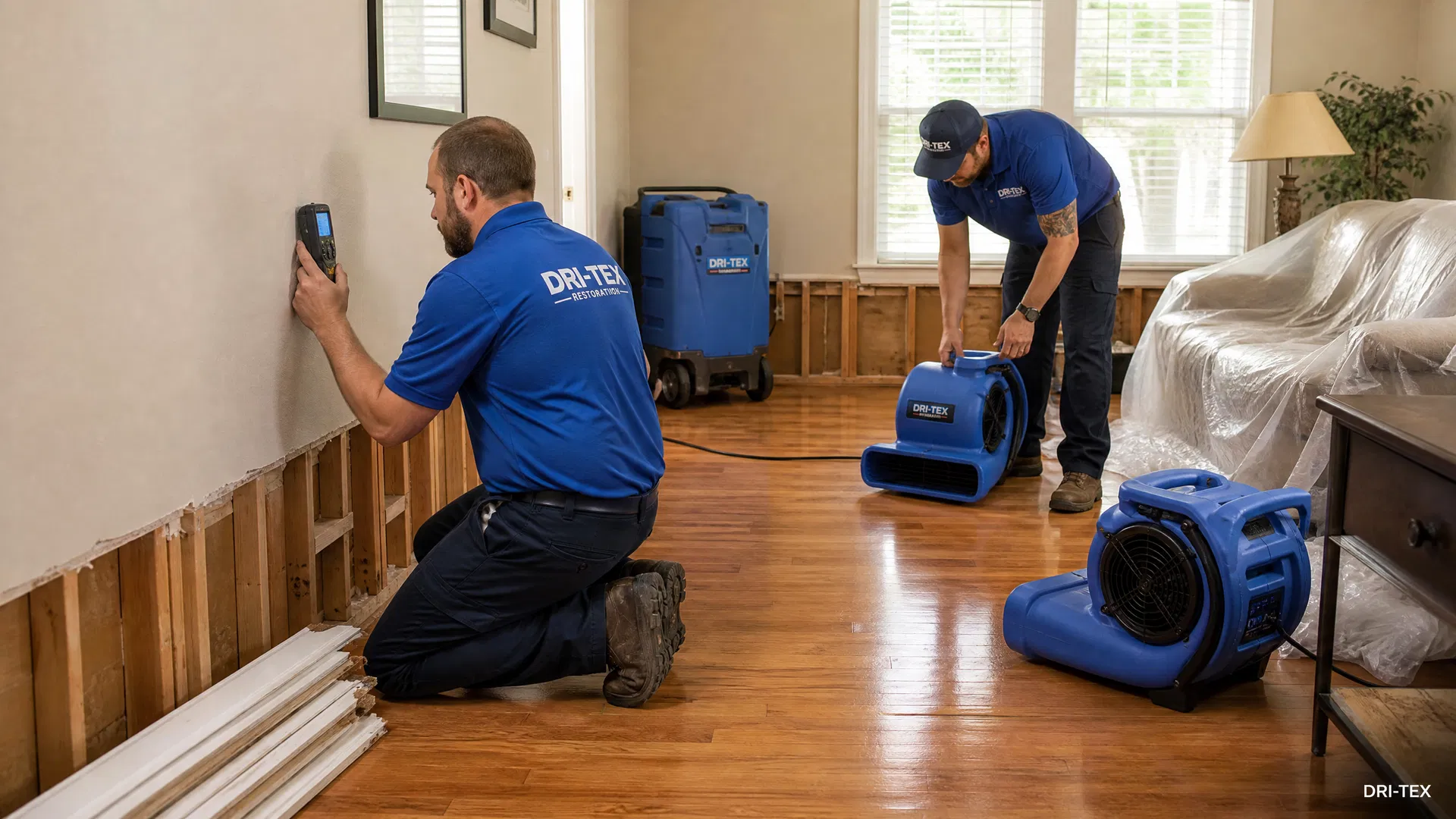
For homeowners in the Conroe and Montgomery County area, understanding these risks is essential for proper preparation. While our region may not be directly on the coast, the interconnected waterways and low-lying terrain mean that storm surge effects can still impact our communities. Having a reliable restoration partner like Dri-Tex on standby can make all the difference when unexpected flooding occurs.
Key factors that determine storm surge reach include wind speed and direction, the angle at which the storm approaches the coast, the depth of the continental shelf, and the presence of bays, rivers, and other waterways that can channel surge water inland. Hurricane Ike in 2008, for example, pushed storm surge waters well into the Greater Houston area, affecting communities that had never experienced such flooding before.
Preparation is your best defense against storm surge damage. Keep important documents in waterproof containers, maintain adequate insurance coverage including flood insurance, and have an evacuation plan ready. If storm surge does affect your property, contact a professional restoration company immediately to begin the mitigation process and prevent secondary damage from mold and structural deterioration.