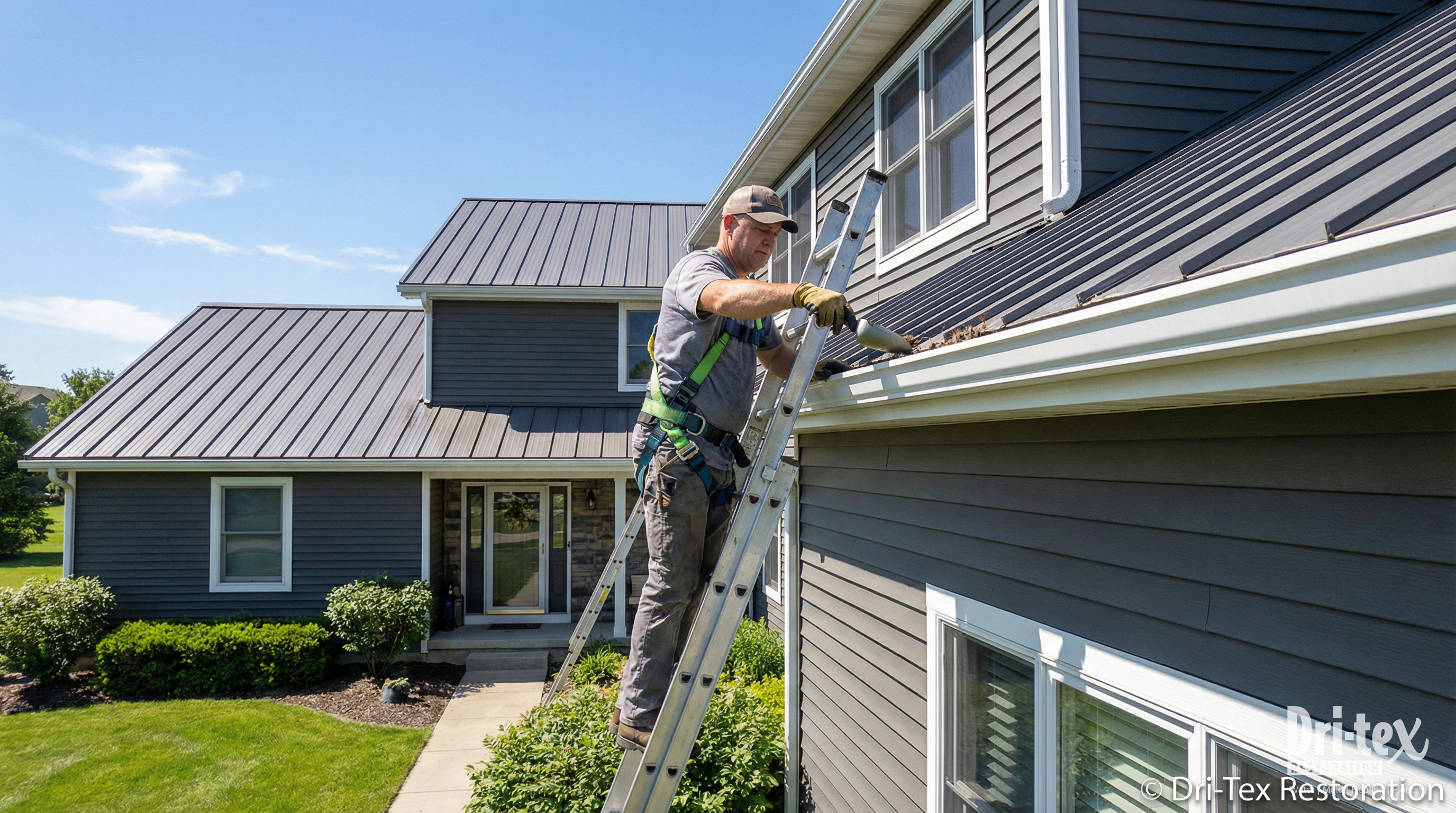
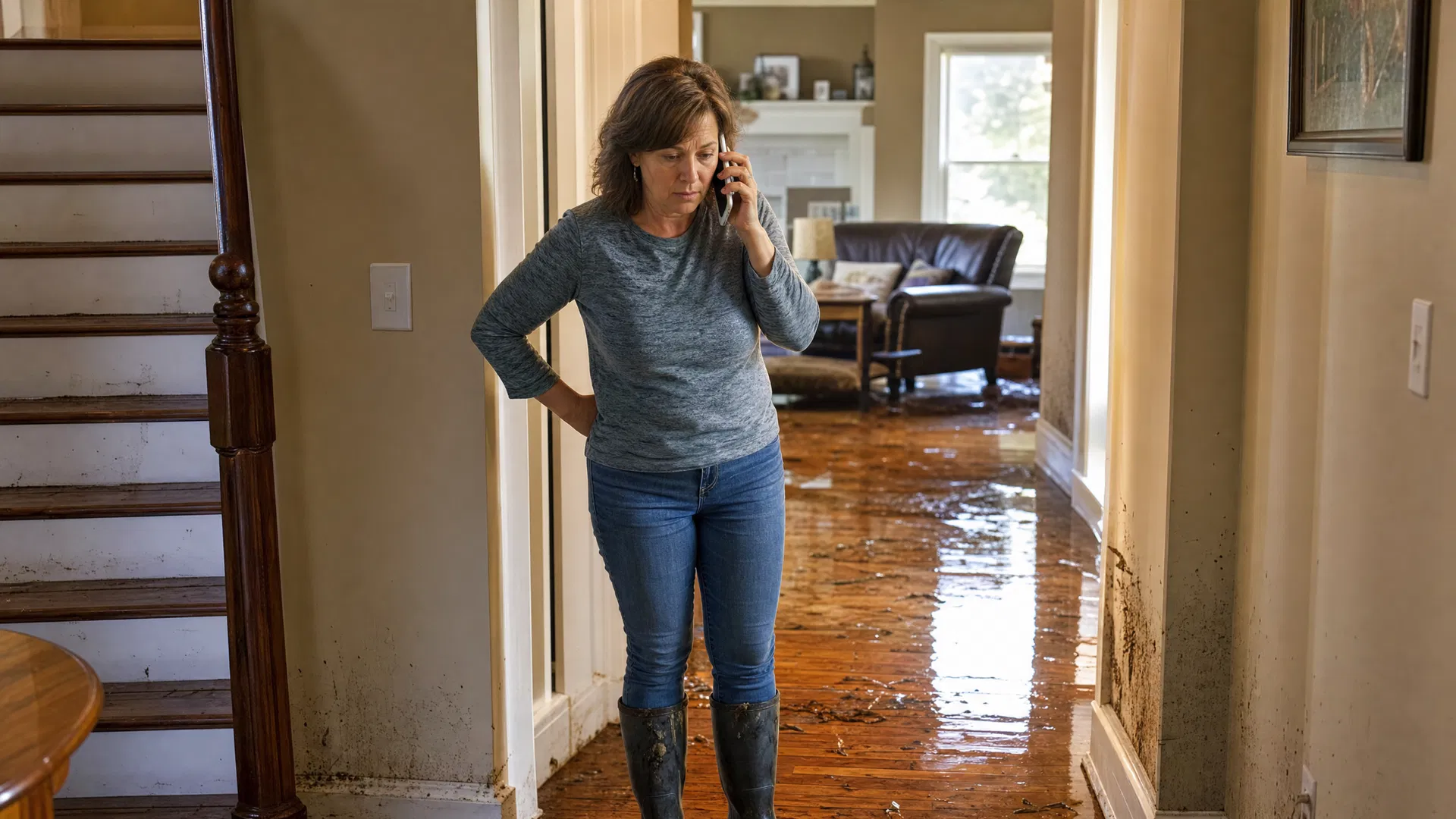
Imagine waking up to a flooded basement, discovering mold in your attic, or worse, facing the aftermath of a fire. These are scenarios no homeowner wants to experience. While insurance can cover some losses, prevention is undeniably more cost-effective. So, how can you protect your home without breaking the bank? In this blog post, we'll explore seven budget-friendly tips designed to protect your home. We'll delve into practical strategies that not only save you money but also stress and time. From simple maintenance tweaks to smart technology investments, these solutions are tailored to minimize risks and keep your property safe and sound. Ready to take control of your home's safety? Let's dive into these expert strategies and ensure you're prepared for any situation. Strategy 1: Routine Home Maintenance Water Damage Prevention One of the most effective ways to prevent water damage is to conduct regular inspections and maintenance. Leaks are silent culprits, often causing extensive damage before being discovered. Inspect your home regularly for signs of leaks, such as water stains on walls or ceilings and dripping sounds. Ensure your roof is intact, gutters are clear, and downspouts direct water away from the foundation. Mold Damage Prevention Mold thrives in damp environments—something that can be controlled with proper ventilation. Use exhaust fans in bathrooms and kitchens to reduce moisture levels. A dehumidifier can also be a smart investment, especially if you live in a humid region. Fire Damage Prevention Regular maintenance of electrical systems can reduce fire hazards. Check and replace frayed wiring, and never overload circuits. Have an electrician inspect your home every few years to ensure everything is up to code. Strategy 2: Smart Home Technology The advent of smart home technology has provided homeowners with tools to swiftly detect and mitigate potential hazards. Water Leak Sensors Invest in smart water leak sensors that send alerts to your phone in case of moisture detection. Placing these sensors in high-risk areas like basements and under sinks ensures you're notified of leaks early, reducing the risk of extensive water damage. Smoke and Carbon Monoxide Detectors Upgrade to smart smoke and carbon monoxide detectors. These devices not only sound alarms but also send notifications to your devices, allowing for timely intervention before a small incident becomes a big problem. Strategy 3: Regular Roof Inspections Your roof is your home's first line of defense against the elements. Regular inspections can reveal wear and prompt necessary repairs. Inspect your roof biannually for missing shingles and weak spots that could lead to leaks. Repairing these promptly avoids water intrusion and subsequent mold growth. Strategy 4: Landscape Management Proper landscaping can reduce the risk of damage significantly. Water and Fire Damage Prevention Ensure trees are trimmed and not in contact with your home. Overhanging branches can drop leaves that clog gutters or pose a fire risk. Clear vegetation around your home to create a defensible space in fire-prone areas. Mold Prevention Maintain proper drainage to avoid standing water near your home's foundation, which can lead to mold issues. Strategy 5: Emergency Preparedness Plan Having a plan in place helps you act swiftly in an emergency. Water and Fire Damage Create a checklist of your home's main utilities and shutoff points. In the event of a fire, having escape routes and meeting points ensures everyone's safety. Mold Damage Keep the contact information of trusted professionals like Dri-Tex handy for immediate mitigation to prevent mold growth post-water incidents.
Back to Blog
Restoration TipsFebruary 15, 2025
7 Cost Effective Ways to Prevent Property Damage
Save money with prevention strategies for water fire and mold damage.
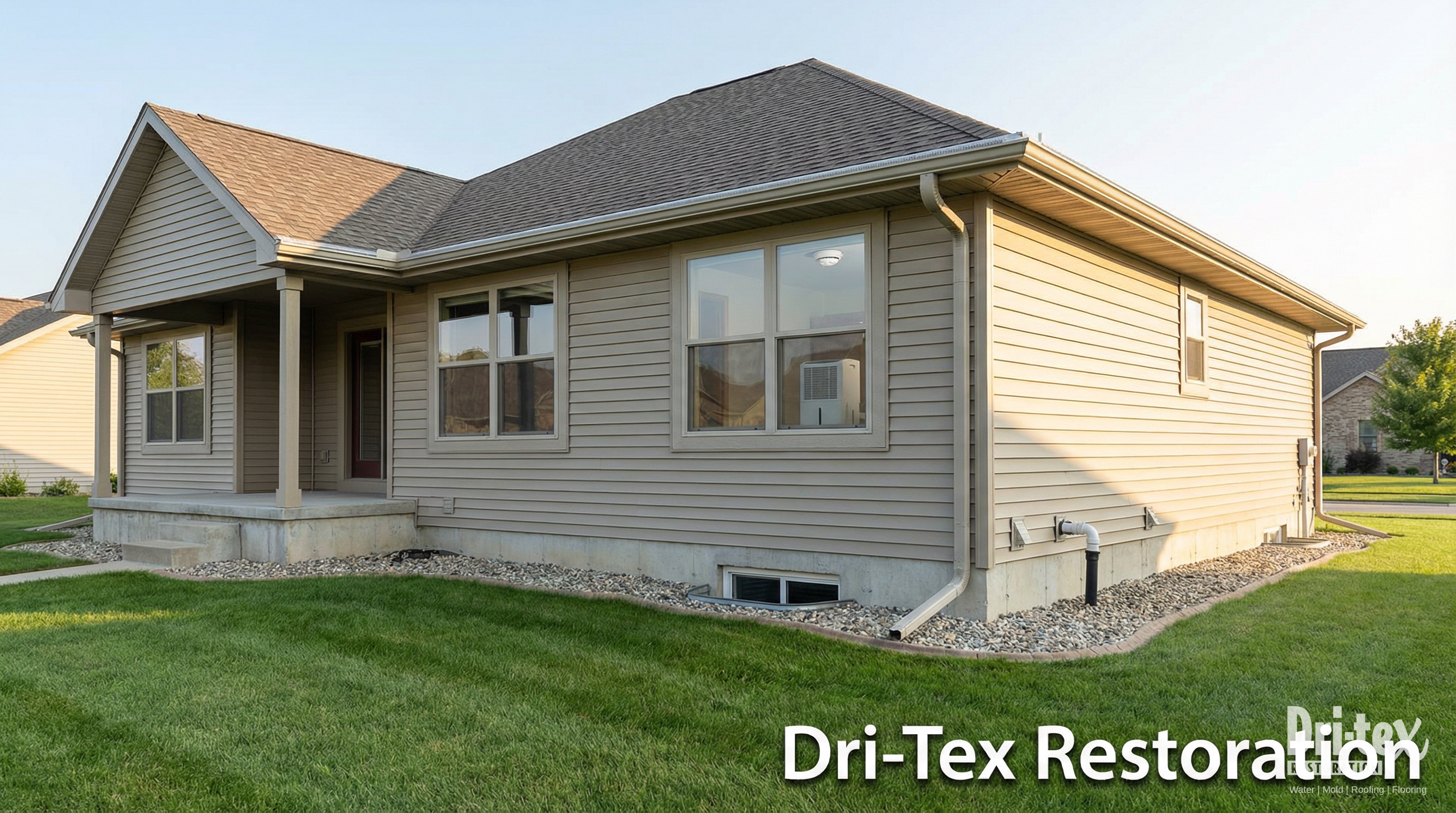
Professional Water Damage Restoration in Livingston, TX
Dri-Tex Restoration provides expert water damage restoration services in Livingston, TX and surrounding areas. Available 24/7 for emergencies.
Need Restoration Help?
Our team is available 24/7 for emergency restoration services in Montgomery County, TX and surrounding areas.