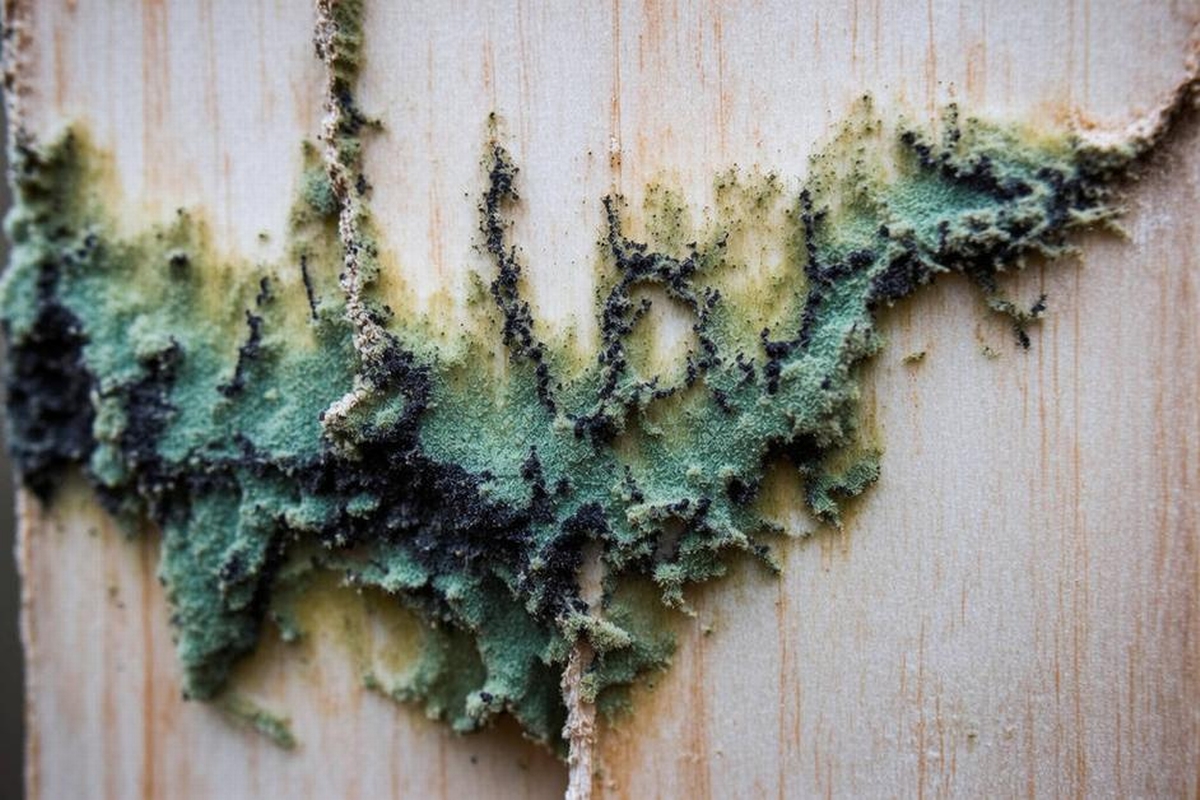
Mold on Plywood and Structural Concerns
Posted by Dri-Tex at Mar 17, 2026 8:00:00 AM
As homeowners in Conroe, TX may be aware, the humid climate can lead to the challenging issues of mold development. Specifically, mold on plywood has emerged as a crucial concern, not only due to the unsightly blemishes it can create but also because of the significant structural problems it can lead to if left unchecked. Restoration contractors in Conroe and its nearby areas are increasingly called upon to deal with these issues, helping families maintain the safety and integrity of their homes. Understanding the causes and potential repercussions of mold on plywood is key to preserving the longevity of our wooden structures.
Mold on plywood isn't just a cosmetic nuisance; it's a potential red flag signaling deeper structural concerns. When left untreated, mold can weaken plywood, compromising the durability of walls, floors, and roofs. Over time, this deterioration can lead to costly repairs or even threaten the safety of a structure. As we delve deeper into this topic, we'll explore the causes of mold growth on plywood and the steps necessary to prevent and address this issue.
Why Does Mold Develop on Plywood?
Mold growth on plywood is typically the result of three converging factors: moisture, warmth, and a food source. Plywood, a common building material, offers an ideal environment for mold due to its organic components and porosity. Here's how these elements come together to encourage mold growth:
- Moisture: Plywood exposed to consistent moisture, from leaky roofs or plumbing issues, provides the damp conditions mold spores need to thrive.
- Warmth: The warm climate of Conroe, TX, often creates the perfect temperatures for mold spores to bloom rapidly.
- Nutrients: As a wood product, plywood is rich in cellulose, an organic compound that molds use as a food source.
Given these conditions, it's no surprise that in many homes, basements, and attics, mold on plywood is a frequent challenge for property managers and homeowners alike.
The Structural Risks of Mold on Plywood
Though mold's visual presence might be concerning, the consequences run much deeper:
- Loss of Structural Integrity: The wood components in plywood break down over time as mold consumes the cellulose, leading to weakened structural elements.
- Health Hazards: Mold spores can trigger allergies, asthma, and other respiratory issues, which can be particularly concerning for families with children or elderly members.
- Financial Impact: Allowing mold to flourish unaddressed can result in extensive repairs that far exceed the cost of early intervention.
Professionals specializing in water damage restoration in Conroe, TX, often emphasize the importance of prompt action against mold to avoid these potentially detrimental effects.
Preventing Mold Growth on Plywood
Prevention is the most effective strategy against mold-related complications. By keeping plywood dry and ensuring good ventilation, the chances of mold development can be significantly reduced:
- Regular Maintenance: Consistent checks for leaks in roofing and plumbing can help manage moisture levels.
- Proper Ventilation: Installing fans and dehumidifiers in at-risk areas like attics and basements can control humidity.
- Protective Coatings: Applying mold-resistant sealants to plywood surfaces can provide an additional layer of defense.
In addition to these measures, education on mold prevention should be considered essential knowledge for homeowners in regions prone to high humidity.
Remediation and Professional Solutions
When prevention falls short, professional intervention becomes vital. In instances where mold on plywood is detected, employing expert services for mold removal and remediation is crucial. Effective remediation involves:
- Identifying Sources: Inspection to pinpoint all sources of mold growth, even those less visible.
- Mold Removal: Some methods may include physical removal, chemical treatments, or both.
- Restoration and Replacement: In severe cases, replacing sections of plywood may be required to restore structural integrity.
Companies like Dri-Tex offer comprehensive mold removal and remediation services, providing assessments and solutions tailored to the specific needs of each property. By relying on specialized knowledge and techniques, restoration experts can ensure that the mold is not only removed but also does not return.
Learning from Conroe, TX Case Studies
The experiences of residents in Conroe offer essential insights into combatting mold on plywood. Many local homes have faced challenges due to the region's climate, leading to innovative solutions and community awareness.
- Community Workshops: Events that educate homeowners on mold risks and prevention strategies have proven effective.
- Real-Life Success Stories: Sharing positive outcomes from those who've dealt with mold can offer motivational blueprints for others.
These community-driven efforts spotlight the importance of collective action and shared knowledge in addressing environmental challenges.
Taking Action
For homeowners in Conroe, TX concerned about mold on plywood and its potential impact on their homes, immediate action is essential. Evaluating your property for signs of moisture and addressing any existing mold swiftly can prevent long-term damage. Professional services in mold removal and remediation can safeguard your home, offering peace of mind and prolonged structural integrity.
When you partner with restoration experts like Dri-Tex, you’re not just addressing current problems - you're investing in the future stability and safety of your home. Contact us to learn how we can help protect your property in Conroe, TX and its surrounding areas, ensuring a safe and durable environment for your family. By leveraging our expertise in mold removal and remediation, you'll take a proactive step in maintaining and enhancing your home's integrity.